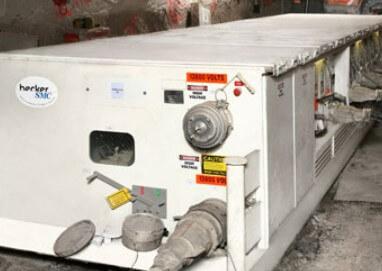
When you’re pulling tonnage from a deep face or running a high-capacity surface spread, the last thing you need is a voltage sag that trips your main breakers. In the high-stakes environment of American mining, raw power isn't enough; you need stable, "clean" electricity that doesn't burn out your induction motors. Integrating a capacitor bank in substation infrastructure is the most effective way to kill reactive power waste, dodge utility penalties, and keep your conveyors moving when the load hits the fan.
Key Takeaways
- Instant Voltage Correction: Stabilizes the line the second a heavy hoist or crusher kicks in.
- Utility Bill Slash: Eliminates "low power factor" surcharges that bleed mining budgets dry.
- Thermal Protection: Reduces heat buildup in transformers and long-run trailing cables.
- Infrastructure Longevity: Extends the life of expensive underground switchgear by smoothing out electrical "noise."
- Becker Mining USA Expertise: Custom-engineered solutions built for the grit of the Appalachian coal fields and Western gold mines.
Why Is Voltage Stability Critical for Deep-Mine Production?
Maintaining consistent voltage is the difference between a productive shift and a total system blackout. When your underground ventilation fans or massive shearers pull a massive starting current, the line voltage can tank, causing sensitive electronics to glitch and motors to overheat. A capacitor bank in a substation setup acts like an electrical reservoir, dumping reactive power back into the grid the millisecond the system feels a dip. This isn't just about efficiency; it's about keeping the "lungs" of your mine breathing without a hiccup.
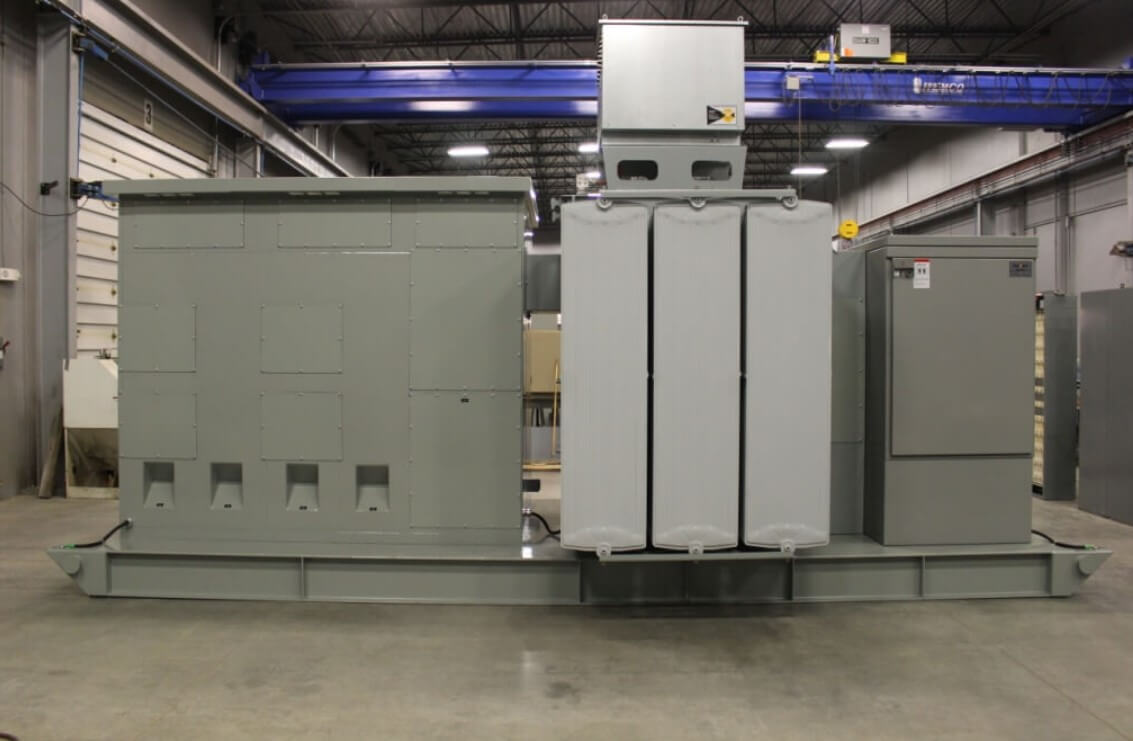
GET IN TOUCH
In a hurry? Call us at 276-285-3841
How Does a Capacitor Bank in Substation Gear Correct Power Factor?
Think of it as trimming the "fat" off your electrical consumption so your equipment only pulls the "meat." Most mining machinery runs on induction, which creates a lag between voltage and current—this is your "bad" power factor. By localizing a capacitor bank in substation housing, you supply that lagging reactive power right at the source. This prevents the utility company from having to over-supply your site, which keeps your transformers running cool and your power factor sitting right where the bean-counters (and the engineers) want it.
The Strategic Framework: 4 Phases of Power Optimization
- Load Profile Analysis
- Record transient surges during peak production shifts.
- Identify "harmonic distortion" caused by variable frequency drives (VFDs).
- Strategic Bank Sizing
- Calculate the exact KVAR needed to offset inductive lag.
- Select "detuned" capacitors to prevent resonance with mining-grade transformers.
- Hardened Installation
- Mount components in dust-tight, vibration-resistant enclosures.
- Route high-voltage leads through reinforced conduits to withstand seismic shifts.
- Automated Control Integration
- Deploy PLC-based switching to cycle capacitor stages as loads fluctuate.
- Set up remote telemetry for real-time monitoring from the surface shack.
What Are the Operational Clusters of Mining Power Management?
Risk Mitigation
- Arc Flash Safety: Properly switched banks reduce the risk of catastrophic switchgear failure.
- Thermal Monitoring: Prevents insulation breakdown in long cable runs common in Wyoming’s surface mines.
Technical Execution
- Transient Suppression: Absorbs the "spikes" that occur when a 500HP motor stops dead.
- Harmonic Filtering: Cleans up the "dirty" power generated by modern digital mining controls.
ROI & Growth
- Capacity Recovery: Frees up space on your existing transformers so you can add another face.
- Maintenance Reduction: Stops the "slow cook" of motor windings caused by low voltage.
At-a-Glance: Uncorrected vs. Capacitor-Optimized Substations
|
|
|
|
|
|
|
|
|
|
|
|
|
|
|
|
|
|
|
|
GET IN TOUCH
In a hurry? Call us at 276-285-3841
Essential Entities in Mining Electrical Infrastructure
- KVAR Rating: The measure of "Reactive Volt-Amperes," determining how much "correction" a bank provides.
- Harmonic Distortion (THD): The electrical "pollution" that capacitors must be built to handle in digital mines.
- Vacuum Contactor: The heavy-duty switch used to bring capacitor stages online without arcing.
- Inrush Current: The massive surge of juice that occurs when you first energize a massive bank.
- Potential Transformer (PT): The "eye" that tells the capacitor controller exactly what the line voltage is doing.
Expert Perspective: The "Hidden" Mine Killer
"Most foremen blame a 'bad motor' when a pump burns out, but the reality is often 'voltage starvation' from a mile-long cable run. If you aren't running a capacitor bank in substation units near the load center, you're essentially asking your motors to run uphill with a weighted vest. I’ve seen mines reclaim 20% of their transformer capacity just by fixing their power factor—that’s 20% more production for zero extra utility cost."
Ready to Transform Your Mine's Electrical Reliability?
The "old school" way of just over-sizing your transformers is a recipe for wasted capital and bloated utility bills. By engineering a precision capacitor bank in substation layout, you protect your iron and your bottom line simultaneously. Becker Mining USA doesn't just sell parts; we provide the "boots on the ground" engineering required to keep American mines powered up and profitable in the toughest conditions on earth.
Frequently Asked Questions
What is the main purpose of a capacitor bank in a substation?
A capacitor bank in substation gear acts as a local source of reactive power. This effectively "shores up" the voltage and aligns the current, ensuring your induction motors aren't pulling more juice from the grid than they actually need to do the work.
Why is power factor important in mining operations?
Power factor is the ratio of "working power" to "total power." In a mine, low power factor means you're wasting energy as heat and vibration, which causes the utility company to charge you massive "demand" penalties that can cost thousands of dollars monthly.
How does a capacitor bank improve voltage stability?
When a massive crusher starts, it "gulps" power, causing a dip. The capacitor bank is like a charged battery for reactive power; it instantly feeds the demand, preventing the line voltage from dropping low enough to trip your sensitive safety relays or brown out the lights.
Are capacitor banks commonly used in mining substations?
They are mandatory for any high-production site. Between the long cable lengths and the constant cycling of heavy loads, a mine without power factor correction is an electrical nightmare waiting for a catastrophic failure.
How does Becker Mining USA help mining companies with electrical systems?
We build the "armor" for your power. From custom substation design to automated capacitor switching systems, Becker Mining USA ensures your electrical backbone is as tough as the rock you’re mining, specifically tuned for the unique interference found in modern automated mines.
Products We Offer:
- Explosion Proof Equipment
- Transformers
- Arc Guard
- Longwall Electrical Systems
- Capacitor Trip Devices
- Electrical Equipments like capacitor banks, switch houses, junctions, and splice boxes.
Power up your productivity with Becker Mining's ground fault relays - the reliable and efficient solution for all your power distribution needs. Call us today!