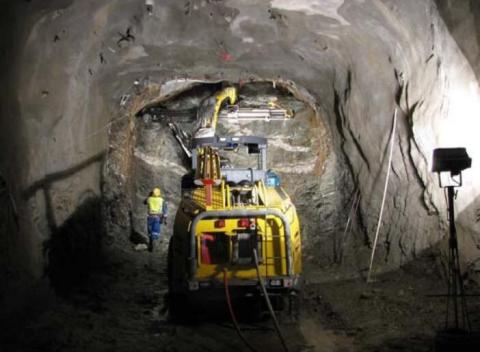
Mining operations across the United States depend on a rugged electrical power distribution system to keep heavy iron moving, crews safe, and haulage schedules intact. From energizing continuous miners and jaw crushers to running high-volume ventilation fans, atmospheric monitoring, and dewatering pumps, dependable power is the lifeblood of the worksite. A single trip on an upstream breaker can instantly trigger thousands of dollars in lost tonnage, damaged trailing cables, and severe safety hazards deep in the entry.
At Becker Mining USA, site managers and electrical superintendents get purpose-built electrical infrastructure engineered explicitly for the punishing, high-moisture environments of American underground and open-pit mines. Drawing on decades of field-tested engineering, Becker Mining USA custom-designs portable substations, motor controls, and switchgear that hold up under severe duty. These field-proven systems ensure full MSHA compliance while keeping your tonnage moving shift after shift.
Key Takeaways
- Maximum Operational Uptime: Engineered distribution networks prevent unexpected trips and protect high-voltage trailing cables across active working faces.
- Built for Hard Work: Ruggedized transformers and switchgear withstand intense continuous vibration, heavy dust, and corrosive mine drainage water.
- Scalable Power Delivery: Modular substations easily expand into new sections as your active entries extend deeper into the seam.
- Proactive Ground Monitoring: Continuous ground-fault and neutral-grounding resistor protection isolate electrical faults before they cause equipment damage or fires.
- Custom Field Engineering: Becker Mining USA builds tough power solutions customized to meet exact seam height, voltage, and tonnage requirements.
Why Is An Electrical Power Distribution System Critical In Mining?
A properly designed electrical power distribution system delivers high-voltage power straight to active mining faces while shielding crews and high-value machinery from catastrophic ground faults. Without robust, mine-duty gear, voltage drops over long cable runs cause motors to overheat and fail prematurely. Specially engineered distribution gear keeps power delivery stable, ensuring continuous production across every shift. The reality on the ground is that underground and surface mines present some of the absolute toughest environments on earth for high-voltage gear. Off-the-shelf industrial equipment simply will not survive down in the seam.
These severe operational hazards routinely destroy basic hardware:
- Constant groundwater infiltration and high humidity dampening electrical enclosures
- Fine coal, silica dust, and airborne particulate settling on contacts and busbars
- Harsh structural vibration from continuous miners, shuttle cars, and heavy haulers
- Extra-long underground cable runs driving severe voltage drops across working entries
- Hazardous, potentially explosive methane or dust atmospheres requiring explosion-proof enclosures
- Rapid relocation of heavy portable power centers as mining faces advance daily
Deploying heavy-duty distribution networks solves these underground challenges:
- Voltage Drop Mitigation: Maintains steady step-down voltage straight to trailing cables at maximum motor load.
- Energy Loss Reduction: Minimizes resistance heat buildup along thousands of feet of medium-voltage cable.
- Outage Prevention: Employs fast-acting circuit breakers to quickly isolate isolated electrical faults.
- Asset Protection: Keeps expensive continuous miners, pumps, and shearers safe from sudden phase imbalances.
- Miner Safety Shielding: Isolates high-voltage faults instantly to prevent severe electrical shock hazards.
- Production Consistency: Delivers dependable line power to maintain peak daily tonnage output.
What Components Make Up A Mining Electrical Distribution Network?
A complete mine power network relies on portable substations, power transformers, medium-voltage switchgear, protective relays, motor control centers, and heavy-duty trailing cables working in unison. Every component must be built to withstand physical abuse, rapid moves, and harsh atmospheric exposure. Properly coordinated protection gear isolates local ground faults without dropping main utility power to critical mine safety fans or dewatering systems.
Here's the part most contractors won't tell you: standard commercial breakers trip out constantly under heavy inductive motor loads common in mineral processing. You need mine-grade components built for heavy industrial duty cycles.
Core elements forming a dependable underground network include:
- Portable and permanent surface power substations
- High-efficiency step-down distribution transformers
- Heavy-duty vacuum switchgear and circuit breakers
- Digital solid-state protective relays and ground-fault monitors
- Custom motor control centers (MCCs) with soft starters
- NEMA-rated high-voltage distribution panels
- Shielded medium- and low-voltage mine power feeder cables
- High-integrity grounding beds and neutral grounding resistors (NGRs)
- Integrated power quality monitoring and arc-flash protection gear
These heavy-duty components distribute clean power from primary utility interconnects or diesel power generators directly to critical mine assets:
- High-tonnage conveyor belts and feeder breakers
- Primary jaw crushers and grinding mills
- Heavy-duty dewatering and sump pumps
- Main surface and underground ventilation fans
- Underground slope hoists and personnel elevators
- Rotary roof bolters and continuous miners
- Workface LED lighting and auxiliary power distribution
- Leased line communication networks and atmospheric monitoring
- Main station dewatering systems
When engineered specifically for your mine layout, these coordinated components create a robust, seamless electrical backbone that withstands physical abuse while protecting your crew.
How Does Reliable Power Improve Mine Safety?
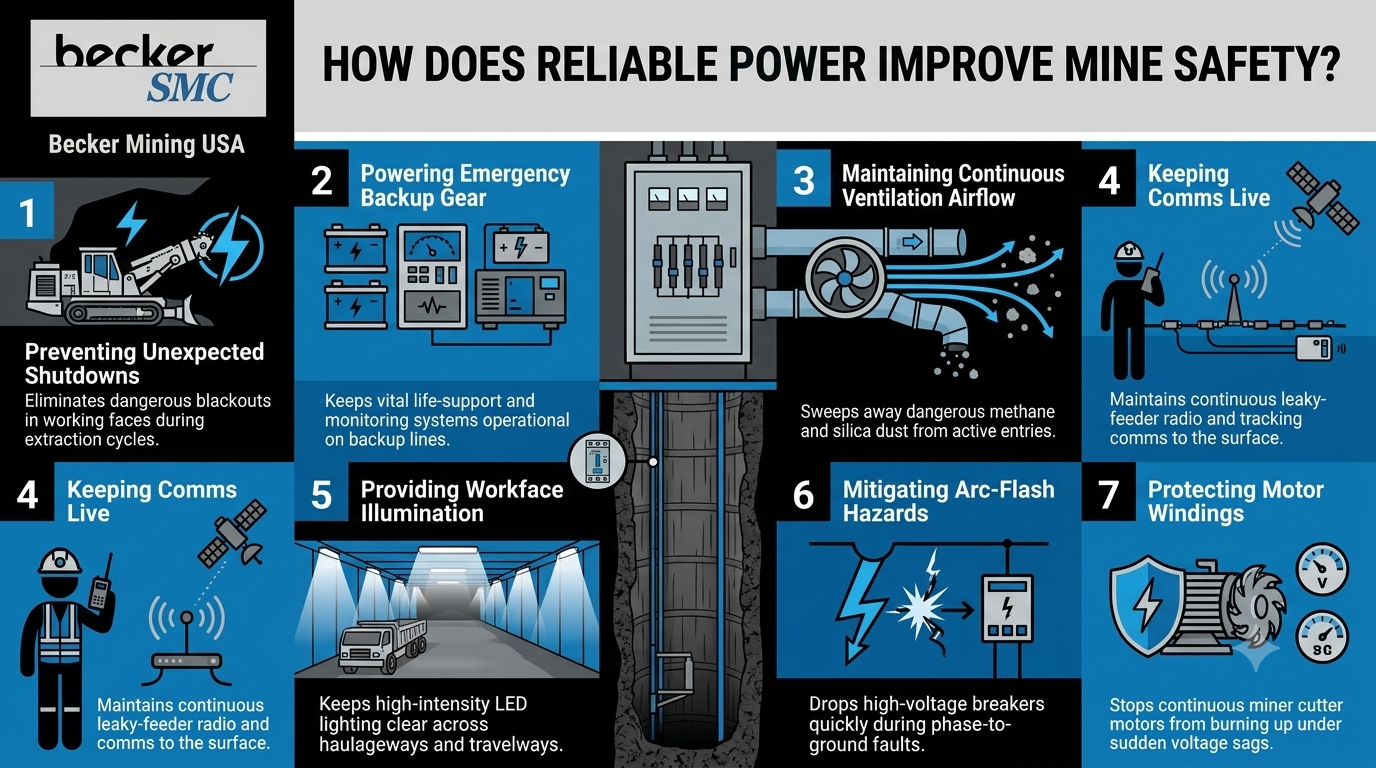
Reliable power keeps underground ventilation fans spinning, gas monitoring active, dewatering pumps running, and emergency lighting energized to protect workers from underground hazards. Unexpected power losses blind work crews and allow hazardous atmospheric gases or water to accumulate rapidly. Advanced ground-fault interrupters and protective relays shut down damaged lines in milliseconds, eliminating fire risks and high-voltage shock hazards before miners are endangered.
When high-voltage power drops unexpectedly in a deep shaft, the environment turns dangerous in minutes. MSHA standards demand total reliability for a reason.
Dependable power infrastructure keeps crews safe down in the entry by:
- Preventing Unexpected Shutdowns: Eliminates dangerous blackouts in working faces during extraction cycles.
- Powering Emergency Backup Gear: Keeps vital life-support and monitoring systems operational on backup lines.
- Maintaining Continuous Ventilation Airflow: Sweeps away dangerous methane and silica dust from active entries.
- Keeping Comms Live: Maintains continuous leaky-feeder radio and tracking comms to the surface.
- Providing Workface Illumination: Keeps high-intensity LED lighting clear across haulageways and travelways.
- Mitigating Arc-Flash Hazards: Drops high-voltage breakers quickly during phase-to-ground faults.
- Protecting Motor Windings: Stops continuous miner cutter motors from burning up under sudden voltage sags.
Advanced protective relays and fast-acting vacuum breakers isolate faults deep in the section before damage spreads back to the surface. This containment safeguards multimillion-dollar equipment assets while providing underground personnel the stable environment they need to work safely.
GET IN TOUCH
In a hurry? Call us at 276-285-3841
What Challenges Affect Electrical Distribution In USA Mining?
Underground mines face major power distribution hurdles from aging gear, long cable runs in expanding seams, severe environmental exposure, and rising equipment energy demands. Operating decades-old switchgear alongside high-horsepower modern machinery leads to nuisance trips and dangerous voltage sags. Furthermore, extending power thousands of feet deeper into a mountain increases line resistance, making power monitoring and voltage regulation difficult without custom engineering.
Operational Obstacles down in the Seam
- Aging Infrastructure Deficits: Running legacy transformers leads to high maintenance costs, frequent insulation degradation, and an inability to safely power high-amp continuous miners.
- Deep Seam Expansion Constraints: Extending power lines miles into deep coal seams causes severe voltage drop, overheating trailing cables, and tripping sensitive ground monitors.
- Hostile Working Environments: Exposing surface and underground gear to acid mine drainage, high humidity, continuous coal dust, and violent machinery shock severely reduces equipment life.
- Surging Kilowatt Demands: Operating modern automated shearers, high-pressure pump banks, and massive main fan drives places unprecedented electrical loads on mine substations.
- Costly Production Outages: Experiencing a single main breaker trip halts haulage belts, forcing crews into expensive downtime while troubleshooting subterranean lines.
How Do Traditional and Modern Mining Electrical Systems Compare?
|
|
|
|
|
|
|
|
|
|
|
|
|
|
|
|
|
|
|
|
|
|
|
|
Essential Mine Power Definitions
- Portable Power Substation: A ruggedized, mobile transformer unit mounted on tracks or skids designed to step down high line voltage right near active working faces.
- Neutral Grounding Resistor (NGR): A heavy-duty safety resistor connected between the system neutral and earth ground to limit fault current to safe levels during phase-to-ground faults.
- Vacuum Switchgear: High-voltage circuit breakers utilizing sealed vacuum interrupters to safely extinguish electrical arcs in hazardous underground atmospheres.
- Trailing Cable: Extra-flexible, multi-conductor portable power cables jacketed in heavy-duty neoprene or polyurethane built to drag along rough rock floors behind mobile machinery.
- Motor Control Center (MCC): An integrated assembly of motor starters, soft starts, and variable frequency drives that controls heavy inductive loads across the processing plant or mine face.
- Ground Continuity Monitor: A specialized electronic relay that continuously verifies the physical integrity of the ground conductor running to mobile machinery.
Simple Maintenance Steps for Long-Term System Upgrades
- Conduct Field Load Audits: Evaluate current voltage drops and total motor amp draws across all active entries to pinpoint weak points in your distribution layout.
- Review Ground Protection Specs: Verify that all neutral grounding resistors and ground-continuity relays clear faults instantly in compliance with MSHA standards.
- Upgrade to Modular Substations: Replace outdated surface and underground power centers with mobile substations built for rapid relocations as active seams advance.
- Deploy Real-Time Power Monitoring: Install digital power quality meters to catch harmonic distortion and insulation breakdown before equipment suffers damage.
Field Guidance from the Mine Floor
Practical Tip for Preventing Cable Failures
Most trailing cable burnouts don't stem from direct mechanical cuts; they happen because persistent low-voltage conditions force motors to draw excessive amperage, baking the interior insulation over time. Regularly check voltage levels at the machine connection point while operating under full cutter-head load. If voltage drops more than 5% below nameplate rating, tap up your transformer or step up your feeder cable gauge immediately to avoid expensive cable burnouts and unscheduled shift delays.
How Does Becker Mining USA Deliver Reliable Electrical Solutions?
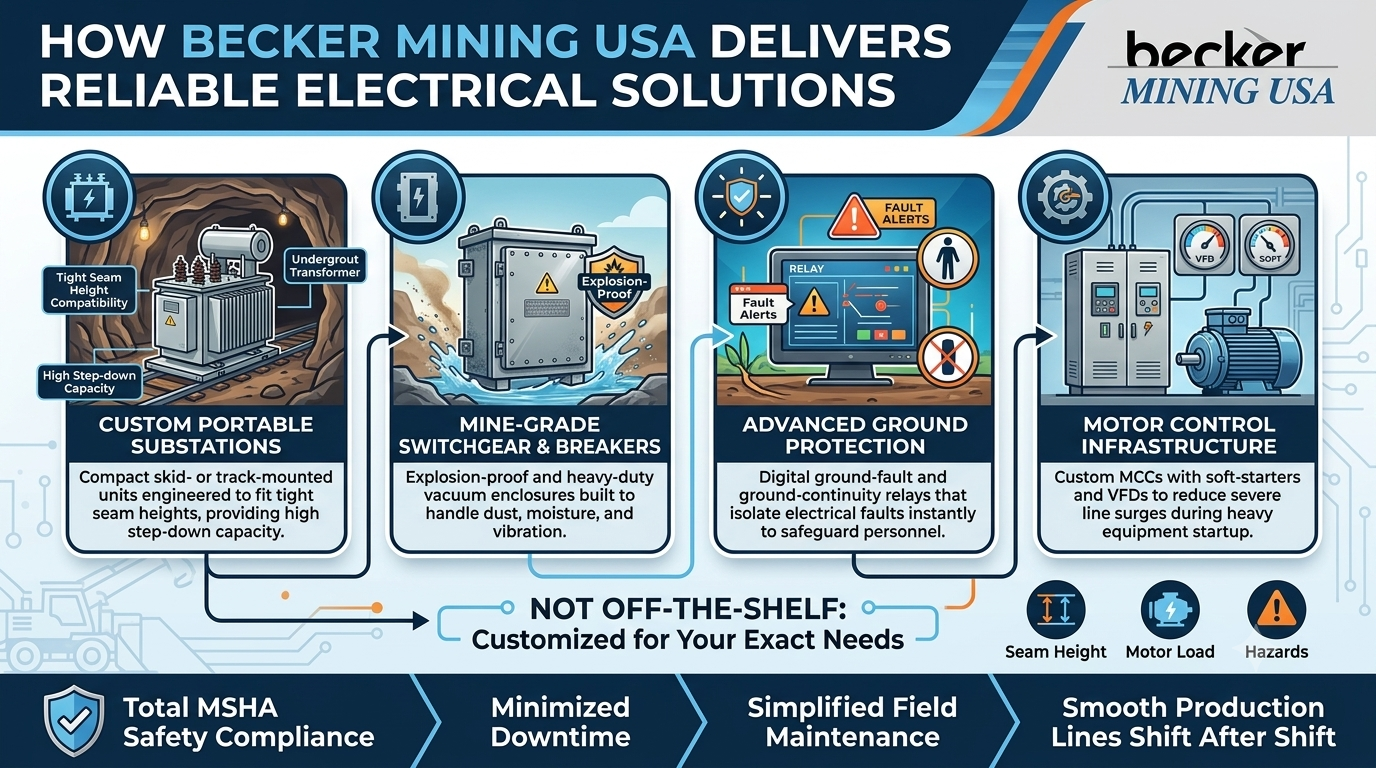
Becker Mining USA delivers custom-engineered power equipment, including portable substations, explosion-proof switchgear, and digital ground protection systems built specifically for American mining conditions. Rather than off-the-shelf industrial parts, their engineering team builds rugged power systems tailored to your exact seam heights, motor loads, and environmental hazards. This custom approach ensures total compliance with MSHA safety standards while keeping your production lines running smoothly shift after shift.
Whether you operate deep underground entries or open-pit operations, their mining specialists design systems that minimize downtime and simplify field maintenance:
- Custom Portable Substations: Compact skid-mounted or track-mounted transformer units engineered to fit tight seam heights while providing high step-down capacity.
- Mine-Grade Switchgear & Breakers: Explosion-proof and heavy-duty vacuum enclosures built to handle harsh dust, high moisture, and constant vibration.
- Advanced Ground Protection: Digital ground-fault and ground-continuity relays that isolate electrical faults instantly to safeguard personnel.
- Motor Control Infrastructure: Custom motor control centers built with soft-starters and VFDs to reduce severe line surges during heavy equipment startup.
GET IN TOUCH
In a hurry? Call us at 276-285-3841
Upgrade Your Underground Power Strategy Today
Every ton of material moved down in the seam depends directly on the strength of your electrical power distribution system. Skimping on power infrastructure leads to persistent nuisance trips, baked trailing cables, and costly shift shutdowns that directly hurt your bottom line. Partnering with experienced mine power engineers ensures your site gets ruggedized substations, switchgear, and protective relays optimized for extreme duty cycles and total regulatory compliance.
Investing in purpose-built electrical infrastructure delivers maximum operational safety, lower long-term maintenance costs, and stable line voltage straight to your active working faces. Becker Mining USA brings decades of field-proven expertise to help you solve complex power challenges down in the seam or up in the processing plant.
Ready to protect your tonnage and upgrade your underground infrastructure? Call Becker Mining USA today to speak with a mine power specialist or request a custom equipment proposal engineered for your exact operational needs.
Frequently Asked Questions
What is an electrical power distribution system in mining?
An electrical power distribution system is a specialized network of transformers, switchgear, protective relays, and heavy cables that safely steps down high utility voltage and delivers power to equipment across a mine.
Why is reliable electrical distribution important in underground mining?
Reliable electrical power keeps critical safety ventilation fans, atmospheric monitoring, and dewatering pumps running continuously while preventing dangerous underground blackouts and costly equipment downtime.
What equipment is included in a mining electrical distribution system?
A complete setup includes portable substations, step-down transformers, vacuum switchgear, circuit breakers, digital protective relays, motor control centers, grounding beds, and heavy-duty trailing cables.
How does Becker Mining USA support mining companies?
Becker Mining USA custom-engineers mine-duty electrical equipment, including portable substations, motor controls, explosion-proof switchgear, and ground protection systems tailored to specific site layouts and MSHA rules.
When should a mining company upgrade its electrical infrastructure?
You should upgrade when experiencing frequent voltage drops, equipment overheating, recurring breaker trips, mine expansion into deeper seams, or when adding higher-horsepower automated machinery.
Products We Offer:
- Explosion Proof Equipment
- Transformers
- Arc Guard
- Longwall Electrical Systems
- Capacitor Trip Devices
- Electrical Equipments like capacitor banks, switch houses, junctions, and splice boxes.
Power up your productivity with Becker Mining's ground fault relays - the reliable and efficient solution for all your power distribution needs. Call us today!